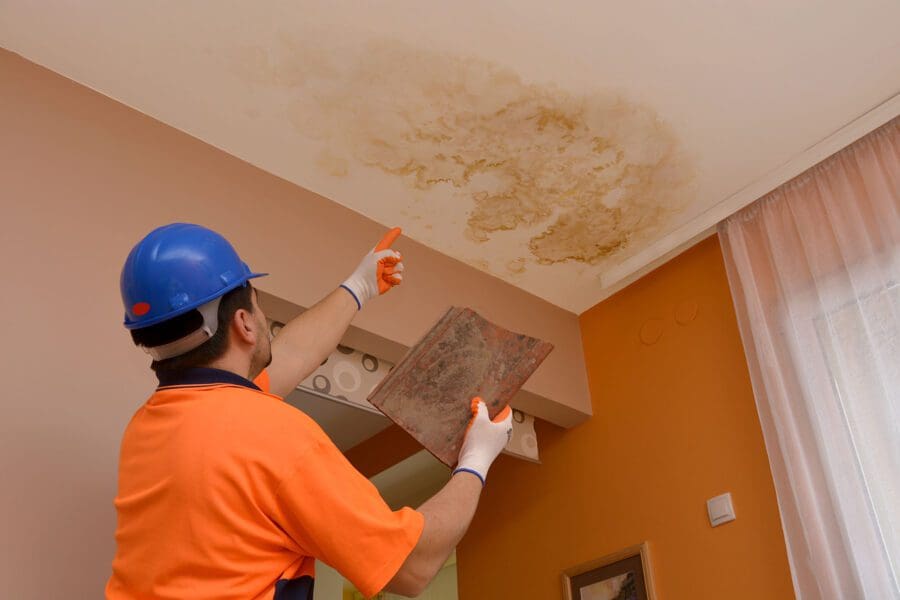
During heavy or wind-driven rain, commercial roof leaks often start around specific water-entry points rather than the open roof surface. Rooftop units, pipes, vents, flashing, and aging sealants can all create paths for water when they are not properly installed, sealed, or maintained. In this blog, J & K Roofing explains why rooftop HVAC curb leaks happen and how building owners can identify these vulnerable areas before water damage spreads.
Understanding the Vulnerability of Rooftop HVAC Curbs
Rooftop HVAC curbs are designed to raise HVAC units above the roof surface, providing a stable platform while facilitating drainage. However, due to their construction and installation, they can become vulnerable to leaks. Here are some reasons why:
Poor Installation Practices
One of the primary reasons for leaks is poor installation. If the curb is not properly sealed or if the flashing is poorly installed, water can easily get through. This is particularly true during heavy rain when water can collect around the base of the curb.
Degradation of Sealants
Over time, the sealants used around the HVAC curbs can degrade due to exposure to weather elements. This degradation can create gaps and cracks through which water can enter. Regular maintenance and inspection are important to identify and address these issues before they lead to serious leaks.
Thermal Expansion and Contraction
Materials used in roofing and HVAC installations often move with temperature changes. This movement can cause sealants to crack or flashing to become loose, providing pathways for water to enter. It’s important to use materials that can accommodate these movements without losing integrity.
Challenges with Roof Penetrations
Roof penetrations, such as pipes and vents, are necessary for various building functions but can also be problematic during heavy rain. Let’s explain why these components often lead to leaks:
Poor Flashing Techniques
Flashing is meant to move water away from roof penetrations. However, if not installed correctly, it can fail to perform its function. In some cases, flashing may not be extended far enough or may be improperly angled, letting water move past it and penetrate the roof.
Improper Pipe Sealing
Pipes that penetrate the roof must be carefully sealed. Unfortunately, improper sealing is a common problem, particularly in older buildings where sealants may have worn down. This can lead to larger roof leaks, especially during wind-driven rain that forces water into even the smallest gaps.
Material Incompatibility
Using incompatible materials can also lead to leaks. For example, if the flashing material does not adhere well to the roofing material, or if the pipe material reacts negatively with sealants, the risk of leaks increases. It’s important to choose materials that are compatible and designed to work together.
Impact of Wind-Driven Rain
Wind-driven rain makes the problems worse with HVAC curbs and pipe penetrations. The force of the wind can drive water into areas that would typically remain dry during normal rain conditions. This is particularly problematic for roofs with poor slope or drainage systems.
Pressure Differences
During wind-driven rain, pressure differences can draw water into gaps and seams that would otherwise remain watertight. This is why it’s important to ensure that all components are securely fastened and that sealants are in good condition.
Directional Water Flow
Wind can change the direction of water flow, causing it to move upwards and sideways. This can stress roofing systems that are designed to handle only downward water flow, leading to leaks around HVAC curbs and penetrations.
Preventative Measures and Repairs
Preventing rooftop HVAC curb leaks and pipe penetrations requires a combination of proper installation, regular maintenance, and timely repairs. Here are some strategies to consider:
Regular Inspections
Conducting regular inspections is one of the most effective ways to prevent leaks. By identifying and addressing possible issues early, you can avoid costly repairs and water damage. Inspections should focus on the condition of sealants, flashing, and the overall integrity of the roof components.
Professional Installation and Repairs
It’s important to work with experienced contractors, such as J & K Roofing Inc, who understand the intricacies of rooftop installations. Professional installation and repair services ensure that all components are properly sealed and flashed, reducing the risk of leaks.
Use of Quality Materials
Investing in high-quality materials can make a significant difference in the longevity and performance of your roofing system. Choose materials that are designed to handle weather conditions and that are compatible with each other to prevent leaks.
Implementing Proper Drainage Systems
Ensuring that your roof has a proper drainage system can help prevent water from pooling around HVAC curbs and penetrations. This includes maintaining clean gutters and downspouts and ensuring that the roof slope is sufficient to direct water away from vulnerable areas.
Rooftop HVAC curb leaks and roof penetration leaks are common issues during heavy rain, but they can be managed with proper attention and care. By understanding the causes of these leaks and implementing effective preventative measures, building owners can protect their investments and support the lifespan of their roofing systems. If you suspect leaks or need commercial roof flashing repair, consider reaching out to us at J & K Roofing Inc for expert assistance. Remember, early intervention can help prevent larger costs and disruptions in the long run.