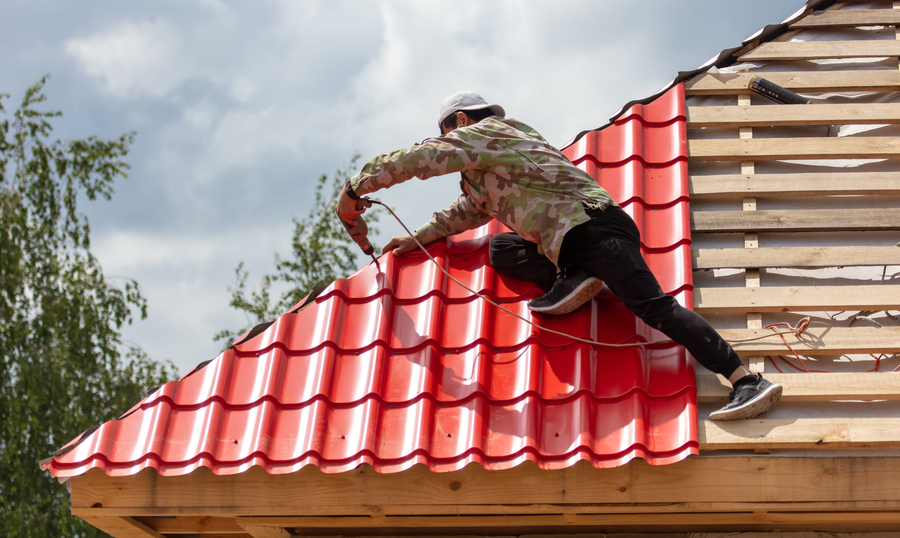
Roof inspections help homeowners understand the condition of their roof before small problems turn into expensive repairs. In this blog, J & K Roofing explains the roof inspection process, what contractors check, and how a detailed roofing checklist can help identify damage, drainage issues, ventilation concerns, and needed repairs.
The Importance of Regular Roof Inspections
Roofs are constantly exposed to the elements, from scorching sun to heavy rain and snow. Over time, this exposure can lead to wear and tear. Regular roof inspections are important because they help in:
- Preventing Major Damage: By catching issues early, you can avoid major damage that might require extensive repairs or even a full roof replacement.
- Maintaining Property Value: A well-maintained roof enhances the overall value of your home.
- Ensuring Safety: A damaged roof can be a safety concern. Regular inspections ensure your home remains safe for your family.
- Saving Money: Early detection of problems often means cheaper and simpler repairs.
What Does a Roof Inspection Include?
A full roof inspection involves several key steps and checks. At J & K Roofing, our inspectors follow a detailed process to ensure important areas are checked.
1. Exterior Inspection
The exterior inspection is the first step in the roof inspection process. It involves a thorough examination of the roof’s outer surface and its components.
- Visual Check: Inspectors will look for visible signs of damage such as missing or broken shingles, cracked tiles, or rusted metal. This visual inspection is important for identifying obvious problems.
- Gutter and Drainage Inspection: Proper drainage is important for roof health. Inspectors check for clogs, proper alignment, and any signs of rust or damage in gutters and downspouts.
- Flashings: Flashings are important for helping prevent water from seeping into the roof. Inspectors will check these areas for rust, cracks, or loose fittings.
- Chimneys and Skylights: These areas are prone to leaks. Inspectors will ensure that seals around chimneys and skylights are intact and performing effectively.
2. Interior Inspection
The interior inspection is equally important as it helps identify issues that might not be visible from the outside.
- Attic Inspection: Inspectors will check the attic for signs of water entry, mold, or insulation damage. Proper ventilation and insulation are important for roof life.
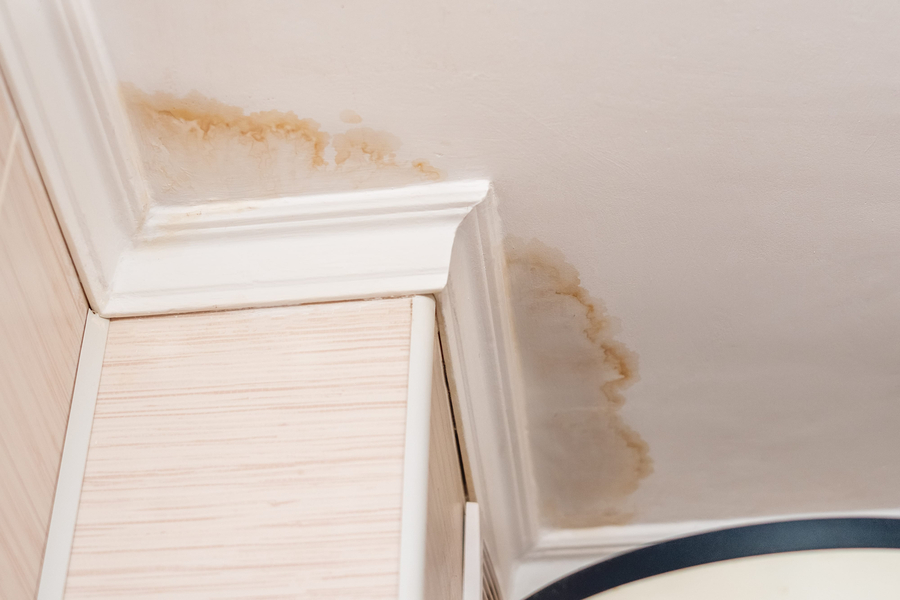
- Ceiling and Walls: Any water stains or discoloration on ceilings and walls can indicate roof leaks. Inspectors will look for these signs inside the home.
3. Structural Inspection
This step involves examining the overall structure of the roof to ensure its integrity.
- Roofing Material: Inspectors will check the condition of the roofing material, whether it’s shingles, tiles, or metal, to ensure they’re intact and working properly.
- Roof Decking: The decking supports the roofing material. Inspectors check for any signs of warping or deterioration.
- Sagging: Any sagging areas can indicate structural issues. Inspectors will identify these areas for further investigation.
Common Issues Found During Roof Inspections
While each roof is unique, there are common issues that inspectors frequently encounter during the roof inspection process. Being aware of these can help homeowners understand the importance of regular inspections.
- Shingle Damage: This includes curling, cracking, or missing shingles, which can lead to water intrusion.
- Flashing Failures: Damaged or improperly installed flashings can allow water to penetrate the roof structure.
- Poor Ventilation: Inadequate ventilation can lead to moisture buildup and mold growth, compromising the roof’s integrity.
- Gutter Problems: Clogged or damaged gutters can cause water to back up, leading to roof and structural damage.
The Role of Professional Roof Contractors
While some homeowners may feel confident in conducting a basic roof inspection themselves, hiring a professional roofing contractor is highly recommended. Professional contractors, like our team at J & K Roofing, bring expertise and experience to the table.
Professional inspectors have the tools and knowledge to identify hidden issues that might be missed during a DIY inspection. They can provide a detailed report of the roof’s condition and recommend necessary repairs or maintenance. This expertise ensures that your roof receives the care it needs to remain durable and efficient.
Preparing for a Roof Inspection
To prepare for a roof inspection, homeowners can take a few steps to prepare. Ensuring easy access to the roof and clearing any debris from the area can help the inspection process run smoothly. Additionally, having a list of concerns or areas that have shown signs of damage can be beneficial for the inspector.
The Value of Routine Roof Inspections
Regular roof inspections are an investment in the longevity and safety of your home. By understanding the roof inspection process and using a thorough roofing checklist, homeowners can ensure that their roofs are well-maintained and any issues are handled early. At J & K Roofing, we are committed to providing comprehensive inspections to keep your roof in optimal condition.
Don’t wait for a small problem to become a bigger issue. Schedule a professional roof inspection today to help protect your home and peace of mind. For more information on our services, feel free to contact us.