Choosing the right roofing material for your property is a crucial decision that can impact both its aesthetic appeal and structural integrity. At J & K Roofing, we understand the importance of making the right choice before investing in a new roof. In this blog, we’ll compare three popular roofing options and explain the pros, cons, and ideal use cases in a clear flat vs shingle vs tile roof guide.
Understanding Flat Roofs
Flat roofs have become popular in modern architecture due to their clean, modern design. Typically found in commercial buildings, flat roofs are now making their way into residential properties for their unique advantages.
Pros of Flat Roofs
- Cost-Effective: Flat roofs are generally less expensive to install due to their simple design and fewer materials required.
- Easy Maintenance: The easy access of flat roofs makes them easier to inspect and maintain, reducing long-term upkeep costs.
- Versatile Use of Space: Flat roofs can double as extra living spaces, such as rooftop gardens or patios, adding functional space to your property.
Cons of Flat Roofs
- Poor Drainage: Due to their lack of slope, flat roofs can struggle with water drainage, potentially leading to leaks and water damage.
- Limited Lifespan: Flat roofs typically have a shorter lifespan compared to other roofing materials, often requiring more frequent repairs or replacements.
- Insulation Challenges: Flat roofs can create insulation challenges, making it more difficult to control indoor temperatures.
Ideal Use Cases for Flat Roofs
Flat roofs are ideal for modern homes with minimalist designs or properties where additional outdoor space is desired. They are particularly suited for regions with mild weather conditions, where heavy snowfall or rain is less frequent.
Exploring Shingle Roofs
Shingle roofs are one of the most common roofing types in residential areas across the United States. Known for their versatility and affordability, shingle roofs offer several benefits for homeowners.
Pros of Shingle Roofs
- Affordability: Shingle roofs are cost-effective, making them a popular choice for budget-conscious homeowners.
- Variety of Styles: Available in a wide range of colors and styles, shingle roofs can complement any architectural design.
- Easy Installation: The installation process for shingle roofs is simple, reducing labor costs and installation time.
Cons of Shingle Roofs
- Shorter Lifespan: Compared to tile or metal roofs, shingle roofs may need replacement more frequently, typically lasting 15-30 years.
- Vulnerability to Weather: Shingle roofs can be more likely to be damaged from severe weather conditions, such as hail and high winds.
- Environmental Impact: Asphalt shingles are not the most environmentally friendly option, as they contribute to landfill waste when replaced.
Ideal Use Cases for Shingle Roofs
Shingle roofs are perfect for homeowners seeking an affordable roofing solution with a variety of style options. They perform well in areas with moderate climates and are suitable for most residential properties.
The Appeal of Tile Roofs
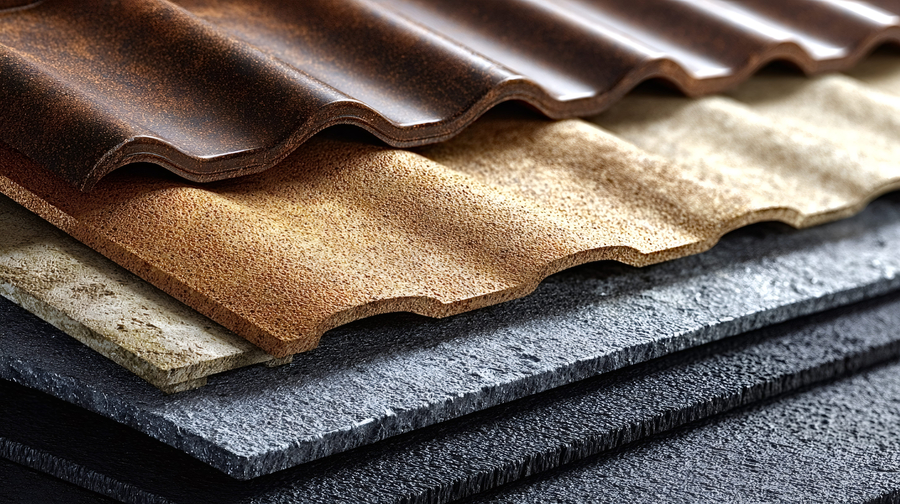
Tile roofs are known for their durability and timeless aesthetic. Whether made from clay, concrete, or slate, tile roofs offer a unique combination of beauty and durability.
Pros of Tile Roofs
- Longevity: Tile roofs are very durable, often lasting 50 years or more with proper maintenance.
- Fire Resistance: Tile roofs provide excellent fire resistance, adding an extra layer of safety to your home.
- Energy Efficiency: The natural insulating properties of tile roofs help regulate indoor temperatures, reducing energy costs.
Cons of Tile Roofs
- High Initial Cost: The upfront cost of installing a tile roof can be much higher compared to other roofing materials.
- Weight Concerns: Tile roofs are heavy and may require additional structural support, increasing installation complexity and cost.
- Fragility: Tiles can be fragile and may crack under heavy impact, requiring careful maintenance and repair.
Ideal Use Cases for Tile Roofs
Tile roofs are best for homeowners looking for a long-term investment in their property’s aesthetics and durability. They are particularly advantageous in areas with hot climates, where their insulating properties can reduce cooling costs.
Making the Right Choice
The decision between flat, shingle, and tile roofs ultimately depends on your specific needs, budget, and aesthetic preferences. Here’s a quick roofing comparison to guide your choice:
- Budget: If cost is a primary concern, shingle roofs offer the most affordable option.
- Durability: For long-lasting durability, tile roofs are the superior choice, even with their higher initial cost.
- Design Preferences: Consider the architectural style of your home. Flat roofs suit modern designs, while tile roofs add a classic touch.
- Climate: Evaluate the climate in your area. Tile roofs work well in hot climates, while flat roofs may struggle in regions with heavy rainfall.
At J & K Roofing, we’re committed to helping you make the best roofing choice for your property. Whether you’re drawn to the modern appeal of flat roofs, the affordability of shingle roofs, or the enduring elegance of tile roofs, our team is here to provide expert guidance and quality installation services. To learn more about our roofing options and services, contact us today.